
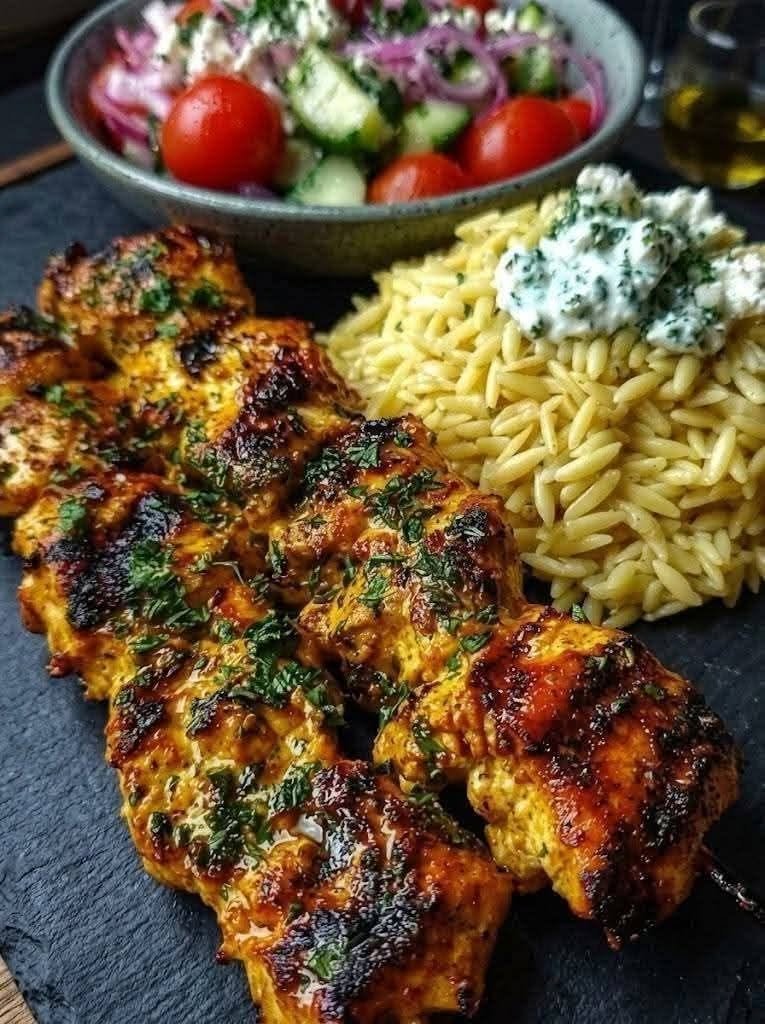
Tender salmon and vibrant broccoli simmered in a rich, creamy coconut curry sauce with garlic, ginger, tomatoes, and warm spices. This comforting one-pan meal is flavorful, protein-rich, and perfect with rice, cauliflower rice, or naan.
Recipe Details
Prep Time: 15 minutes
Cook Time: 25 minutes
Total Time: 40 minutes
Servings: 4
Ingredients
For the Salmon
1½ lb (680 g) skinless salmon fillets, cut into bite-size chunks
1 tablespoon olive oil
½ teaspoon salt
¼ teaspoon black pepper
½ teaspoon paprika
½ teaspoon ground turmeric
For the Curry
1 tablespoon olive oil
1 small yellow onion, finely diced
4 cloves garlic, minced
1 tablespoon fresh ginger, grated
1½ tablespoons curry powder
½ teaspoon ground cumin
½ teaspoon turmeric
¼ teaspoon chili flakes, or more to taste
1 cup crushed tomatoes
1 can (13.5 oz / 400 ml) full-fat coconut milk
½ cup vegetable or chicken broth
3 cups broccoli florets
1 tablespoon fresh lemon or lime juice
1 teaspoon honey or maple syrup, optional
½ teaspoon salt, or to taste
¼ teaspoon black pepper
For Garnish
2 tablespoons fresh cilantro or parsley, chopped
Fresh lime wedges
Optional red chili slices
Optional toasted coconut flakes
Instructions
- Prepare the Salmon
Pat the salmon dry with paper towels and cut it into approximately 1-inch chunks.
Season with salt, black pepper, paprika, and turmeric.
- Sear the Salmon
Heat 1 tablespoon olive oil in a large skillet over medium-high heat.
Add the salmon pieces in a single layer. Sear for about 1–2 minutes per side. The salmon does not need to be completely cooked at this point.
Transfer to a plate and set aside.
- Sauté the Aromatics
Reduce the heat to medium.
Add another tablespoon of olive oil to the skillet. Add the diced onion and cook for 3–4 minutes, until softened.
Add garlic and fresh ginger. Cook for about 30–60 seconds, stirring constantly.
- Add the Curry Spices
Add curry powder, cumin, turmeric, and chili flakes.
Stir for 30 seconds until fragrant.
- Build the Sauce
Pour in the crushed tomatoes, coconut milk, and broth.
Stir well, scraping up any flavorful browned bits from the bottom of the pan.
Bring the sauce to a gentle simmer.
- Cook the Broccoli
Add the broccoli florets.
Cover and simmer for 5–7 minutes, until the broccoli is tender-crisp.
Don’t overcook it—you want it to retain some texture.
- Return the Salmon
Gently place the seared salmon back into the curry sauce.
Simmer uncovered for another 4–6 minutes, or until the salmon is cooked through and flakes easily.
Avoid stirring too aggressively so the salmon chunks remain intact.
- Finish the Curry
Stir in fresh lemon or lime juice.
Add honey or maple syrup if you prefer a slightly sweeter, more balanced curry.
Taste and adjust salt, pepper, and chili to your preference.
- Garnish and Serve
Remove from the heat and sprinkle with fresh cilantro or parsley.
Serve immediately with lime wedges.
What to Serve With It
Basmati rice
Brown rice
Cauliflower rice
Quinoa
Naan or flatbread
Roasted vegetables
Cucumber salad
Simple green salad
For a lower-carb option, cauliflower rice or extra broccoli works especially well.
ALL NUT INFORMATION
This recipe contains coconut, which is botanically a fruit rather than a tree nut, but coconut allergies can occur and some allergy guidelines treat coconut separately.
Ingredients to note:
Coconut milk: Yes — contains coconut
Toasted coconut: Optional
Peanuts: None
Almonds: None
Walnuts: None
Pecans: None
Cashews: None
Pistachios: None
Hazelnuts: None
Macadamia nuts: None
Pine nuts: None
Allergy Note
If cooking for someone with a nut or coconut allergy, check the labels of coconut milk, curry powder, broth, spices, and other packaged ingredients for allergen and cross-contact information.
Approximate Nutrition
Per serving, without rice or naan:
Calories: ~520
Protein: ~42 g
Carbohydrates: ~17 g
Fat: ~32 g
Fiber: ~5 g
Sugar: ~7 g
Sodium: ~650 mg
Nutrition is approximate and will vary depending on the salmon, coconut milk, and amount of oil used.
Q&A
Q: Can I use frozen salmon?
Yes. Thaw it completely and pat it dry before seasoning and cooking.
Q: Can I use salmon with the skin on?
Yes, but remove the skin before cutting the salmon into curry-sized pieces.
Q: Can I use light coconut milk?
Yes. The curry will be lighter and less creamy. For a thicker sauce, simmer it uncovered for a few extra minutes.
Q: Can I replace coconut milk?
Yes. Heavy cream can be used for a different style of creamy curry. You can also use unsweetened evaporated milk, although the flavor will be less coconut-forward.
Q: Can I make this dairy-free?
Yes. The recipe is naturally dairy-free as written when using dairy-free broth and checking all packaged ingredients.
Q: Can I make it spicy?
Absolutely. Increase the chili flakes or add fresh sliced chili peppers.
Q: Can I make it mild?
Yes. Omit the chili flakes and use a mild curry powder.
Q: Can I add other vegetables?
Definitely. Bell peppers, spinach, zucchini, green beans, peas, or cauliflower all work well.
Q: Can I use shrimp instead of salmon?
Yes. Add peeled shrimp near the end and cook until pink and opaque, usually about 3–5 minutes, depending on size.
Q: Can I use canned salmon?
Fresh salmon is preferable because it holds its shape better, but canned salmon can be added near the end just to warm through.
Q: How do I prevent the salmon from falling apart?
Sear it briefly first and handle it gently once it goes back into the sauce. Avoid vigorous stirring.
Q: Can I prepare this curry ahead of time?
Yes, but salmon is best when freshly cooked. If preparing ahead, make the curry sauce and vegetables first, then add and cook the salmon shortly before serving.
Q: How long do leftovers last?
Store leftovers in an airtight container in the refrigerator for up to 3 days.
Q: Can I freeze this curry?
It can be frozen, but coconut-based sauces may change texture slightly after thawing, and salmon can become softer. For best results, freeze the sauce separately when possible.
Q: Is this recipe gluten-free?
The basic recipe can be gluten-free. Check curry powder, broth, and other packaged ingredients to make sure they are certified or labeled gluten-free if needed.
Q: Is this recipe keto-friendly?
It can fit a lower-carb or keto-style meal depending on the coconut milk and optional honey used. Skip the honey and serve with cauliflower rice rather than regular rice.
Leave a Reply